
California Auto Transport
California spans 900 miles of coastline and desert. Your vehicle gets there on time.
California auto transport operates through a high-volume statewide logistics structure built around 4 logistics hubs (Los Angeles, San Francisco, San Diego, Sacramento), connected through 3 outbound corridors serving Texas, Florida, and Arizona, with 2 port nodes (LA and Oakland) supporting domestic and international movement. A CARB compliance layer influences carrier equipment and routing standards across the state. California functions as one of the most important vehicle shipping origins and destination markets nationwide. This page explains transport timing, routing behavior, and service expectations across California.
California Route Network
Live CoverageSan Francisco
Sacramento
Los Angeles
San Diego
California Auto Transport
California auto transport operates across four primary logistics hubs with independent carrier dispatch networks and daily departure capacity. Los Angeles functions as the largest single carrier concentration zone on the West Coast, with San Francisco, San Diego, and Sacramento forming the three supporting hubs that serve Northern California, Southern California coastal routes, and the Central Valley corridor. Three dominant interstate corridors structure California's outbound transport volume: California to Texas, California to Arizona, and California to the Pacific Northwest. Two port logistics nodes at the Port of Los Angeles and Port of Oakland generate inbound and outbound transport demand cycles tied to vehicle import shipments and auction activity. California's state regulatory environment includes CARB emissions standards stricter than the federal baseline, which apply to all carriers operating within the state.
California auto transport's four-hub structure forms the carrier dispatch infrastructure serving statewide transport demand across all auto transport by state networks within vehicle transportation services . The density of the California carrier network enables the high corridor frequency that connects California to the most active interstate routes in the nationwide auto transport services and car shipping markets.
California Network Snapshot
California Auto Transport Network Profile
Los Angeles Hub
Southern California Carrier Network
Los Angeles and Southern California Carrier Hub
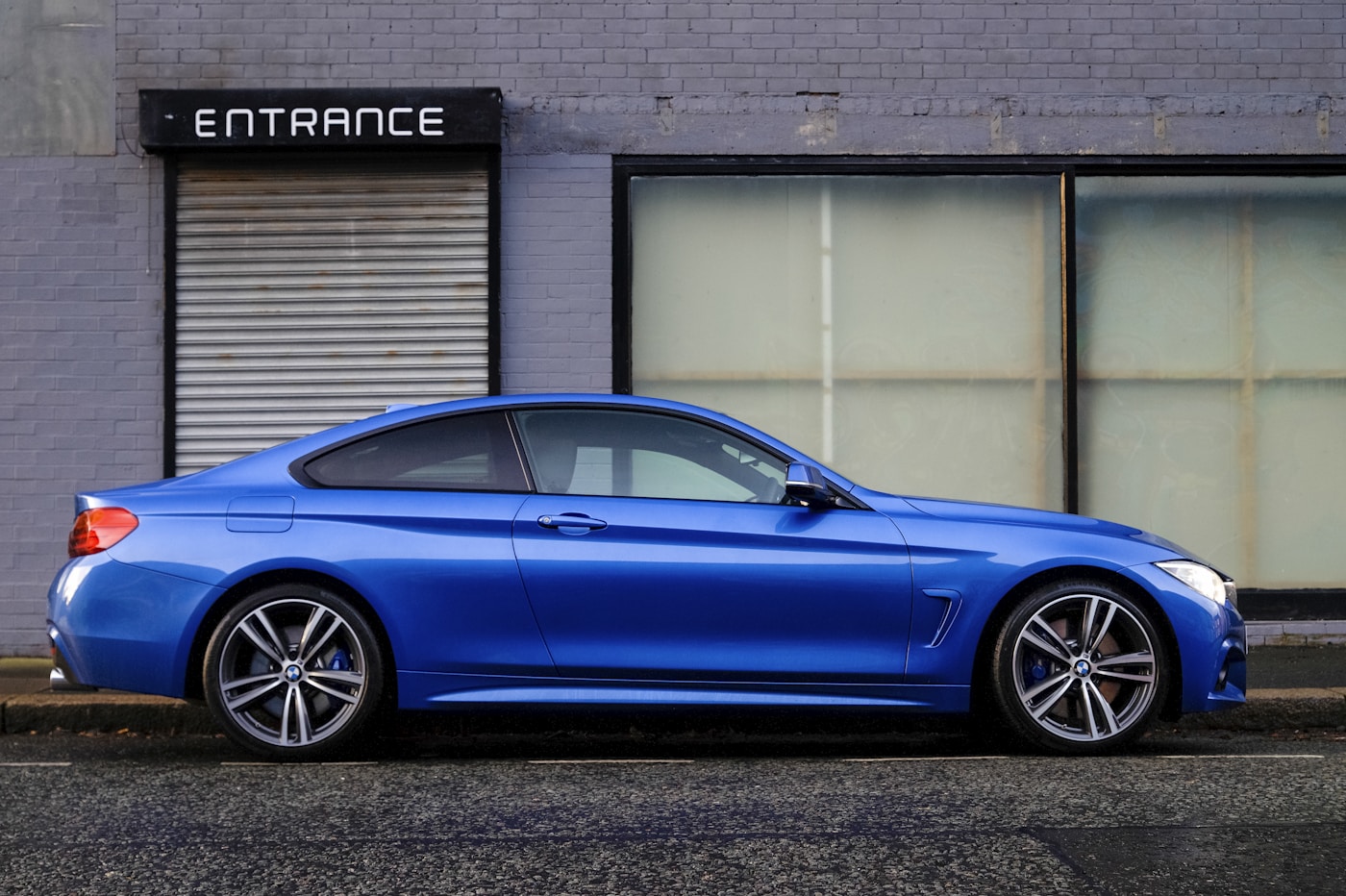
Los Angeles is the primary carrier dispatch hub for Southern California and the highest-volume single metro node in the California network. Carrier departure frequency from Los Angeles is daily on all major outbound corridors, with the greatest concentration of enclosed carrier availability on the West Coast due to the luxury and classic vehicle owner density in the Los Angeles metro area. The hub serves Southern California including San Diego, Orange County, the Inland Empire, and Ventura County. Door-to-door delivery in Los Angeles requires carrier approach route confirmation because dense urban street networks limit multi-car hauler access in residential neighborhoods. Los Angeles auto transport operates year-round with the shortest average booking lead times in California during off-peak seasons.
Northern California: San Francisco, Sacramento, and Oakland
San Francisco and Sacramento form the Northern California hub pair, operating distinct dispatch networks for different geographic coverage areas. Carriers dispatching from the Bay Area serve the peninsula, coastal routes south to Monterey and San Luis Obispo, and the North Bay including Napa and Sonoma counties. Sacramento serves the Central Valley corridor from Stockton to Redding and the Sierra foothills east toward Lake Tahoe. Carrier availability in Northern California is lower than Los Angeles but maintains consistent year-round demand from the Bay Area technology sector relocation cycle and Sacramento state government employment moves. San Francisco auto transport operates from the peninsula hub with daily departure capacity to Texas, Arizona, and the Pacific Northwest.

Northern California
SF, Sacramento & Bay Area Network
Port Logistics Nodes
Auction + Import Flow
Port Logistics Nodes and Auction Transport Cycles
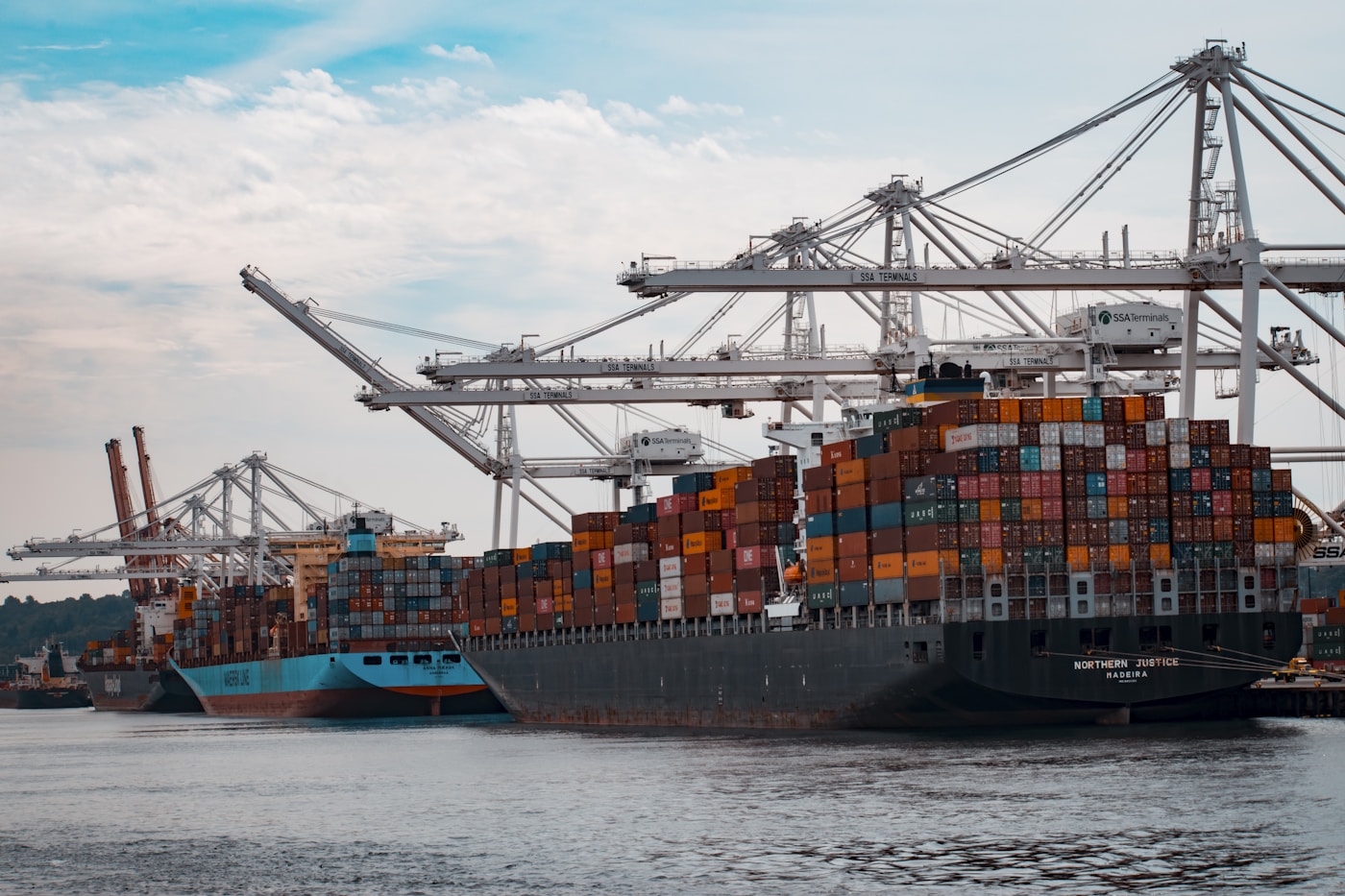
The Port of Los Angeles and Port of Oakland generate distinct transport demand cycles tied to vehicle import shipments arriving from international manufacturers and auction activity at Manheim Los Angeles and Manheim San Francisco. Port-driven transport cycles affect carrier scheduling near these nodes because vehicle import processing creates concentrated pickup demand in 48-hour windows following vessel unloading. Carriers serving the port logistics nodes integrate auction and import pickups into their standard dispatch routes, which creates additional carrier availability for residential and commercial pickups in the same coverage areas during periods of high port activity.
California Auto Transport Corridors
California's corridor structure is defined by three dominant outbound interstate routes and three major inbound corridors that peak during seasonal demand cycles.
California → Texas
High Volume Corridor
California to Texas Auto Transport
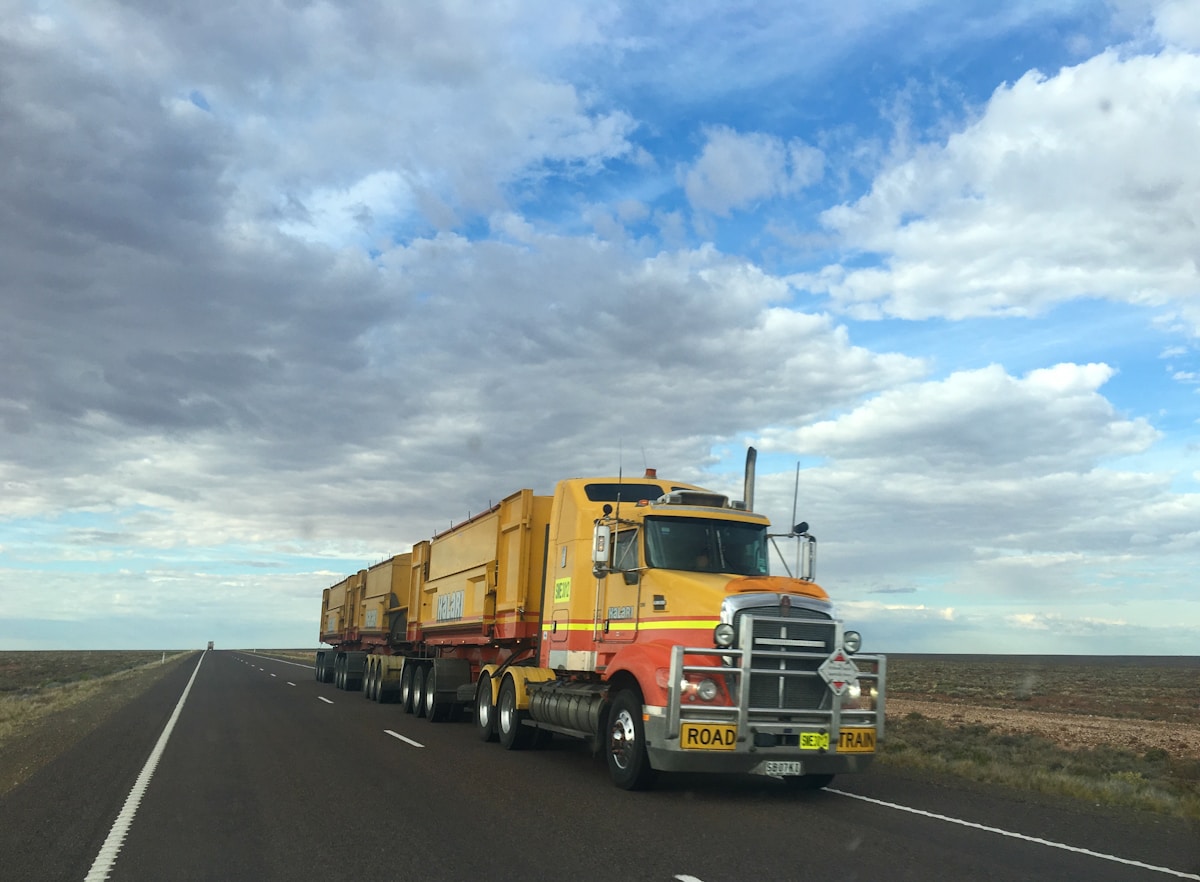
California to Texas auto transport is the highest-volume outbound interstate corridor from California, driven by relocation demand from Los Angeles, San Diego, and the Bay Area to Dallas, Houston, Austin, and San Antonio. Carrier departure frequency on this corridor is daily from Los Angeles and 3–5 times per week from San Francisco during peak relocation season from June through August. Transit time from Los Angeles to Dallas averages 3–4 days, with full delivery lead times from booking ranging from 7–14 days during peak season and 3–7 days during off-peak. The corridor serves both open and enclosed carrier types year-round.
California to Texas →
California → Florida
Cross-Country Route
California to Florida Auto Transport
California to Florida auto transport is the longest interstate transport corridor from California, connecting the West Coast to Miami, Tampa, Orlando, and Jacksonville. The corridor follows I-10 east across Arizona, New Mexico, Texas, Louisiana, Mississippi, and Alabama before reaching Florida. Transit time from Los Angeles to Miami averages 6–8 days, with full delivery lead times from booking ranging from 10–14 days during peak season. Seasonal demand on this corridor peaks in spring from March through May, when snowbird vehicles return from Florida to California.
California to Florida →
Inbound Flow
AZ • NV • Pacific NW
Inbound Corridors: Arizona, Nevada, and the Pacific Northwest
California's major inbound corridors are Arizona via I-10 westbound from Phoenix and Tucson to Los Angeles and San Diego, Nevada via I-15 southbound from Las Vegas to Los Angeles and northbound to the Bay Area, and the Pacific Northwest via I-5 southbound from Portland and Seattle to the Bay Area and Sacramento. Inbound corridor demand peaks during January through March as snowbird vehicles return from Arizona and Nevada to California, compressing carrier availability on these routes. Vehicles shipping from California to the Southwest during this window benefit from higher outbound carrier frequency because carriers delivering vehicles into California from Arizona and Nevada load outbound California pickups on the return trip.
Seasonal Conditions and Transport Timing in California

January to March: Snowbird Return Season
January through March is California's first demand peak, driven by snowbird vehicles returning from Arizona, Nevada, and Florida to California. During this window, inbound carrier availability tightens across all Southern California hubs. Vehicles shipping from Arizona or Nevada require 7–14 day booking lead times instead of standard 3–7 days.
June to August: Relocation Season
June through August is California's second and larger demand peak. Outbound transport demand reaches maximum levels to Texas, Arizona, and Florida. Booking lead times extend to 10–14 days during peak season. Carrier capacity across all hubs is fully utilized.

Off-Peak Windows and Scheduling Advantages
September through November and April through May are off-peak transport windows. Carrier availability is highest across all California hubs. Standard booking lead times reduce to 3–5 days compared to peak season constraints.
Transport Methods Available in California
Open Transport
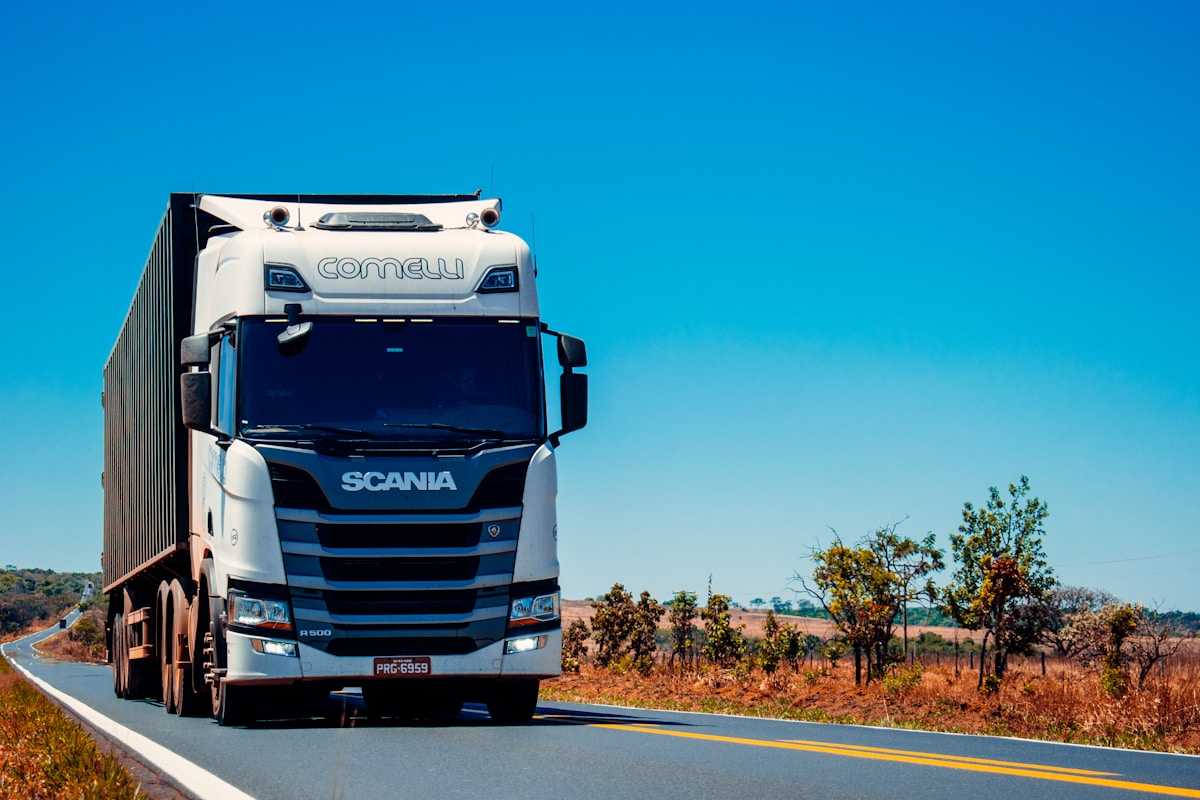
Open auto transport is available statewide across all four California carrier hubs. CARB-compliant open carrier equipment is standard across all carriers assigned to California transport.
Enclosed Transport
Enclosed auto transport is available statewide with higher carrier frequency in the Los Angeles hub. Demand is driven by luxury and classic vehicle owners in Southern California.
Expedited
Expedited auto transport is available across all California hubs. Priority carrier assignment reduces standard booking lead times during peak demand cycles.
Door-to-Door
Door-to-door auto transport is available statewide. Urban access in Los Angeles and San Francisco may require carrier approach route confirmation.
California Preparation and Regulatory Considerations
CARB Carrier Compliance
California's Air Resources Board requires commercial vehicles operating within the state to meet emissions standards stricter than the federal baseline. All carriers assigned to California transport maintain CARB-compliant equipment, verified through the logistics operations carrier assignment process before any California booking is confirmed. Vehicle owners do not need to take any action for CARB compliance because it is a carrier-level requirement, not a vehicle-level preparation step.
Vehicle Preparation for California Transport
Standard vehicle preparation applies: quarter-tank fuel level, personal items removed, alarm and anti-theft deactivated, and condition photos taken before pickup. If the vehicle will be registered in California after delivery, the California DMV requires a VIN inspection at a California DMV office or licensed brake and light station. This is a post-delivery step for new California registrations, not a pre-transport requirement.
Logistics Process →California Delivery Documentation
Vehicles delivered to California require a clean title and bill of lading signed at delivery. Vehicles being newly registered in California must pass a California smog check for vehicles 1975 and newer, excluding diesel, electric, and hybrid powertrains, and a VIN verification. These are post-delivery California DMV requirements administered after the vehicle is delivered, not transport prerequisites.
Compliance →Planning California Auto Transport
Shipping from California during the June through August relocation season requires booking 10–14 days ahead because the California-to-Texas and California-to-Florida corridors are at maximum demand during this window. Shipping to California during the January through March snowbird return season requires booking 7–14 days ahead for Southern California deliveries because inbound availability from the Southwest is compressed from snowbird return demand. Shipping during off-peak windows from September through November or April through May follows standard 3–5 day booking lead times across all four California hubs.
Enclosed or expedited transport during peak season should add 3–5 days to standard lead time because enclosed carrier availability is lower than open carrier availability and expedited assignments require coordination with carriers already committed to standard booking windows. Cost variables specific to California transport, including the enclosed carrier differential in Los Angeles and the peak season surcharge during June through August, sit inside pricing and cost factors. Carrier dispatch coordination during peak season is handled through logistics operations to match booking windows with carrier availability before confirmation.
Request California Auto Transport
Trust & Network Validation
- ✔ CARB verified carriers
- ✔ hub-based dispatch
- ✔ corridor optimization
Brightway also coordinates transport to and from Texas (/states/texas/) and Arizona (/states/arizona/) across the same carrier network.
Get Your Transport Quote
CARB Compliant Carriers
Port Logistics Integration
Multi-Hub Dispatch Network
Nationwide Corridor Coverage