Washington Auto Transport
Washington auto transport operates through 2 hubs (Seattle/Tacoma, Spokane), 2 ports (Port of Seattle, Port of Tacoma), and 2 corridors (I-5 coastal, I-90 cross-Cascade). The Cascade Range includes Snoqualmie Pass (3,022 ft) causing 4–48 hrs closure delays. Chain movement operates in 2–6 hrs windows. Military demand comes from Joint Base Lewis-McChord (JBLM). Cascade Range creates a structural dual-network separation between coastal and inland routing.
Washington Route Network
Live CoverageSeattle / Tacoma
Spokane
Washington Auto Transport
Washington auto transport operates from two carrier concentration zones separated by the Cascade Mountain Range operational divide. Seattle and Tacoma form the western Washington carrier dispatch network at the I5 and I90 interchange, with port logistics connections to both Port of Seattle and Port of Tacoma within 30 miles of each other in the Puget Sound region. Spokane operates as the eastern Washington carrier dispatch network at the I90 and US395 interchange, serving inland Washington and the Idaho border region. Two port logistics nodes process Pacific Rim vehicle import volumes and generate consistent inbound transport demand to the Seattle/Tacoma carrier network for inland delivery.
The I90 mountain pass routing condition applies to all east west Washington transport: Snoqualmie Pass at 3,022 feet elevation is subject to chain requirement events and closures from November through April, with chain requirement events adding 2 to 6 hours to carrier transit and full closure events adding 4 to 48 hours. Alternate routes via US2 through Stevens Pass or southern Washington I84 add distance and time. Joint Base LewisMcChord between Seattle and Tacoma is one of the largest military installations on the West Coast, generating structured PCS relocation demand peaking May through August.
Washington auto transport's twohub structure operates within the broader auto transport by state network and sits beneath vehicle transportation services alongside core commercial offerings in auto transport services and car shipping .
The Cascade Range creates two operationally independent dispatch networks that function separately because I90 through the mountains is subject to the Snoqualmie Pass condition from November through April.
Washington Auto Transport Network Profile

Seattle & Tacoma Hub
I-5 + I-90 Carrier Interchange Zone
Seattle, Tacoma, and the Western Washington Carrier Hub
Seattle and Tacoma operate as the western Washington carrier concentration zone at the I5 and I90 interchange. The hub generates daily carrier departure capacity south to Portland and California via I5 southbound, east through the Cascades to Spokane via I90 eastbound, and north to the Canadian border via I5 northbound. The Seattle/Tacoma hub serves western Washington including the Puget Sound region, the Olympic Peninsula, and the I5 corridor cities.
Carrier frequency from Seattle/Tacoma is consistent yearround on the I5 southbound California corridor and seasonal on the I90 eastbound corridor due to the Snoqualmie Pass mountain routing variable from November through April. Seattle auto transport operates yearround with daily carrier availability on all major outbound corridors.
Port of Seattle and Port of Tacoma — Pacific Rim Import Logistics
Port of Seattle and Port of Tacoma collectively process Pacific Rim vehicle import volumes from international manufacturers within 30 miles of each other in the Puget Sound region. The inland delivery of these vehicles to Seattle, eastern Washington, Idaho, and Montana generates carrier dispatch demand that originates at the Seattle/Tacoma hub.
When vehicle import shipments arrive at either port, carriers delivering those vehicles inland complete their port delivery and become available for outbound Seattle/Tacoma and western Washington pickups before returning to their origin zones. These postport availability windows create carrier access for standard western Washington bookings at specific intervals aligned with port arrival schedules.

Port Logistics Flow
Pacific Rim Import → Inland Delivery

Spokane Hub
I-90 Inland Carrier Network
Spokane and the Eastern Washington Carrier Hub
Spokane operates as the eastern Washington carrier concentration zone at the I90 and US395 interchange. The hub serves eastern Washington, the Spokane metro area, and the Idaho border region. Carrier dispatch from Spokane serves I90 westbound through the Cascades to Seattle/Tacoma, I90 eastbound to Coeur d'Alene and Idaho, and US395 to the TriCities and southern Washington.
Spokane operates as an independent dispatch network from Seattle/Tacoma because the Cascade Range separates the two hubs with the I90 Snoqualmie Pass mountain routing condition from November through April.
Washington Auto Transport Corridors
Washington's corridor structure is defined by one Pacific Coast northsouth corridor without mountain variables, one crossCascade eastwest corridor with a November through April mountain pass condition, and supplemental eastern Washington inland corridors.

I-5 Corridor
Pacific Coast Route
I-5 — Pacific Coast Corridor to California and Oregon
The I5 corridor runs northsouth through western Washington connecting Seattle/Tacoma to Portland, Oregon and California. Carrier frequency on I5 southbound is consistent yearround because there are no mountain routing constraints along this corridor. Transit from Seattle to Portland averages 3–4 hours, and from Seattle to California averages 2–3 days depending on destination depth. This corridor represents the most stable Washington outbound transport route.
I-90 Corridor
Cross-Cascade Route
I-90 — Cross-Cascade Corridor from Seattle to Spokane
The I90 corridor connects Seattle/Tacoma to Spokane through the Cascade Range via Snoqualmie Pass at 3,022 feet elevation. From November through April, this corridor is subject to chain requirement events that add 2–6 hours to transit and full closure events that add 4–48 hours. Alternate routes via US2 or southern I84 add 75–120 miles and additional time. All Washington I90 movements during winter require a 1–3 day buffer due to mountain conditions.
+1–3 day buffer required in winter

Eastern WA
Inland Northwest Routes
Eastern Washington — US-395 and Inland Northwest Routes
US395 runs northsouth through eastern Washington connecting Spokane to the TriCities and southern Washington. This inland corridor also supports movement toward Idaho and Montana. Carrier frequency is stable yearround because there are no mountain pass restrictions on this route. It operates as an independent inland logistics network separate from Seattle/Tacoma dispatch zones.
Seasonal Conditions and Transport Timing in Washington
May to August — JBLM PCS Season and Summer Relocation
May through August is Washington's highest demand transport period. Joint Base LewisMcChord between Seattle and Tacoma generates structured PCS relocation demand peaking during the permanent change of station season. Lead times extend to 7–10 days during this window as military and civilian relocation demand combine. JBLM is one of the largest West Coast PCS volume generators, requiring strict pickup scheduling within orders timelines.
November to April — Snoqualmie Pass Routing Conditions
The I90 Snoqualmie Pass corridor is subject to chain requirement events and closures from November through April. Chain events add 2–6 hours to transit, while full closures add 4–48 hours due to staging delays. Alternate routing via US2 or southern I84 increases distance and time significantly.
All I-90 shipments require 1–3 day buffer


Port Import Cycles and Carrier Availability Windows
Port of Seattle and Port of Tacoma import cycles generate post-port carrier availability windows. When international shipments arrive, carriers completing deliveries become available for outbound Washington pickups before returning to origin routes, creating scheduled spikes in carrier availability across Seattle/Tacoma.
Off-Peak Window — September to October
September and October are Washington's most favorable scheduling months. JBLM PCS season has ended, Snoqualmie Pass conditions are minimal, and carrier availability across both Seattle/Tacoma and Spokane hubs is at annual peak. Standard lead times reduce to 3–5 days for all transport routes.
Carrier Coordination and Dispatch Operations in Washington
I-90 Mountain Pass Scheduling and Alternate Routing
When the Washington State Department of Transportation closes or restricts I90 at Snoqualmie Pass, carrier dispatch holds eastbound and westbound loads awaiting clearance status. If the closure is projected to exceed 24 hours, the logistics operations team evaluates alternate routing via US2 through Stevens Pass north of I90 or I84 through southern Washington and northern Oregon, based on vehicle configuration and carrier equipment.
The 1 to 3 day scheduling buffer for I90 moves during November through April exists to accommodate these hold and reroute protocols without extending the booking confirmation window. Dispatch execution is coordinated through logistics operations .
JBLM Delivery Coordination and Port Carrier Cycle
Joint Base LewisMcChord is located between Seattle and Tacoma on the I5 corridor. Military installation deliveries at JBLM require gate access coordination because the carrier must be registered for installation access or the vehicle must be picked up at the installation gate. This is addressed through the carrier coordination process at booking, with installation name, unit address, and gate access requirements communicated before the pickup window opens.
JBLM PCS moves during the May through August peak require earlier booking action to secure carrier assignment when the pickup window aligns with orders timelines. Port carrier cycles also influence dispatch timing, as inbound shipments generate outbound availability aligned with port delivery completion.
Explore Other Vehicle Transport Service Options
Open Auto Transport
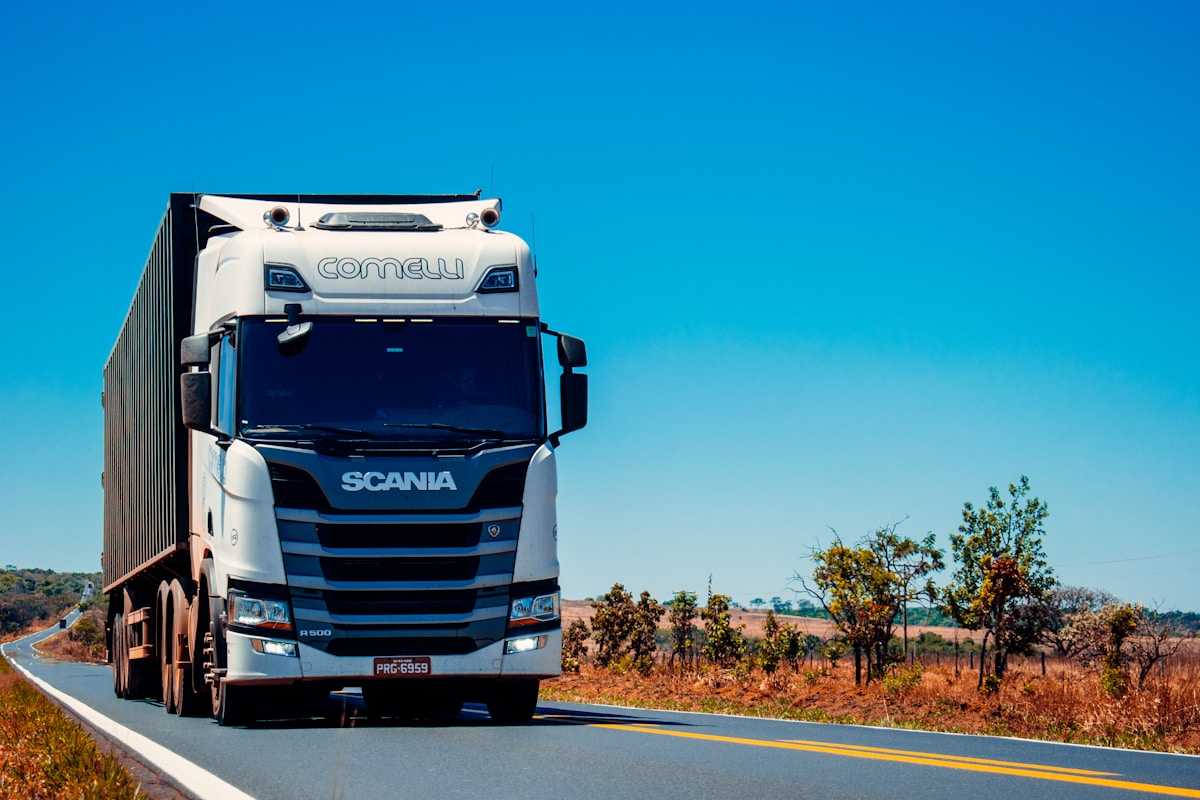
Open auto transport is available statewide from both Washington hubs and is the standard method. Open carrier I90 transport from November through April is subject to Snoqualmie Pass chain requirement and closure conditions, with scheduling including the 1 to 3 day buffer for mountain pass variables.
Enclosed Auto Transport
Enclosed auto transport protects from rain and road spray during I90 mountain pass transit and eliminates exposure to winter road treatment. It is preferred for vehicles moving through Snoqualmie Pass during winter months.
Expedited Auto Transport
Expedited auto transport provides priority carrier assignment from both Washington hubs and is used for PCS scheduling and time-sensitive moves. It does not bypass active Snoqualmie Pass closures but reduces booking-to-pickup time when the corridor is open.
Door-to-Door Auto Transport
Door-to-door auto transport coordinates direct delivery statewide. JBLM deliveries require gate access verification and installation coordination before booking. Rural eastern Washington addresses require carrier approach verification for road width and surface conditions.
Washington Preparation and Transport Considerations
Carrier Compliance in Washington
Washington has no carrierlevel CARB equivalent. Washington's Clean Cars program applies to vehicle sales standards, not carrier operations. All carriers in Washington operate under federal FMCSA regulations only. Full carrier authority verification sits inside compliance and carrier verification standards.
Vehicle Preparation for Washington Transport
Standard vehicle preparation applies: quartertank fuel level, personal items removed, alarm and antitheft deactivated, and condition photos taken before pickup. Vehicles being transported through I90 Snoqualmie Pass during November through April chain requirement events should have undercarriage condition noted in the pretransport record because chain installation contact points may affect undercarriage documentation. Pacific Northwest moss and lichen accumulation on vehicles stored outdoors in western Washington should be noted in the pretransport condition record as environmental exposure. The full vehicle pickup procedures framework sits inside the logistics process for vehicle transport.
Logistics Process →Washington Delivery Documentation
Bill of lading, delivery inspection, and Washington State DMV title requirements apply at delivery. Washington has no VIN inspection requirement beyond standard title transfer and no smog check requirement for transport purposes. Documentation protocols and delivery verification standards sit inside compliance and carrier verification for postdelivery registration.
Compliance →Planning Washington Auto Transport
I90 eastbound and westbound moves from November through April require a 1 to 3 day scheduling buffer for Snoqualmie Pass conditions, with standard lead times of 5 to 8 days from the Seattle/Tacoma hub for eastern Washington and Idaho destinations. I5 southbound moves to Oregon and California have no mountain routing variable and follow standard 5 to 8 day lead times yearround.
JBLM military PCS moves during May through August require booking 7 to 10 days ahead from the Seattle/Tacoma hub because military and standard relocation demand combine during this window. If PCS orders specify a pickup date window, communicate that window at booking because carrier assignment is coordinated to match orders timelines. September and October offpeak windows offer standard 3 to 5 day lead times and represent Washington's optimal scheduling windows with minimal pass disruption and belowpeak demand.
Key Notes
Cost variables specific to Washington transport, including the I90 pass routing differential and the JBLM military installation delivery coordination, sit inside pricing . Snoqualmie Pass corridor coordination during the November through April window is managed through logistics operations to match booking windows with corridor clearance status before confirmation.
Request Washington Auto Transport
Washington Auto Transport
Brightway coordinates carrier assignment from the correct Washington hub and confirms I90 corridor clearance status before booking is finalized for cross Cascade mountain moves. Submit the vehicle details on the get a quote form to start the booking review.
Dual Dispatch Network
Mountain Routing Management
Port-Linked Carrier Supply
Brightway also coordinates transport to and from California and Arizona across the same carrier network.
Get Your Transport Quote
Mountain Route Coordination
Port Logistics Integration
Military PCS Coordination
Dual-Hub Carrier Network