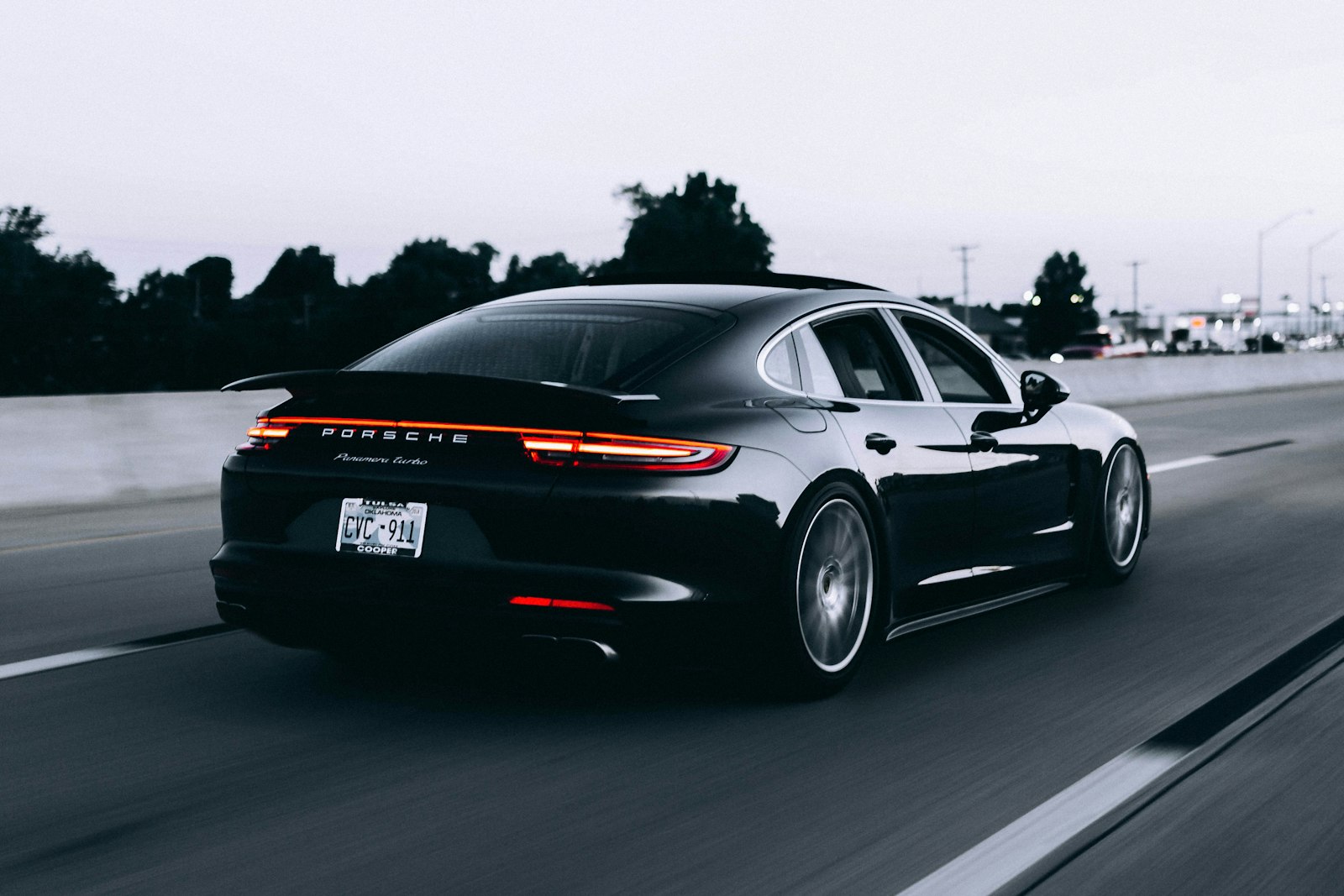
Forty years of preservation. It deserves the same standard in transport.
Enclosed carrier interiors built for classic cars, secured with soft-strap wheel tie-downs and zero chain contact, maintain the vehicle exactly as it was before loading.
Classic Car Transport and Shipping
Classic cars are transported based on irreplaceability and provenance integrity—not market value alone. Original paint, numbers-matching components, and condition grade determine how the vehicle is handled, documented, and secured during transport.
Classic cars require soft-strap-only securement. Chain or hook tie-down methods are not used for classic car transport.
Enclosed auto transport is the default carrier type for classic cars due to finish sensitivity and provenance protection.
Classic Cars
Classic cars are defined by irreplaceability status, where originality, provenance documentation, and condition grade determine how the vehicle must be transported. Classic cars require soft-strap-only wheel securement and are assigned to enclosed transport as the default method because any damage to original paint, patina, or numbers-matching components cannot be reversed. Classic car transport is governed by attributes including provenance integrity, ground clearance, operability status, and condition grade, each directly influencing carrier selection, loading method, and handling standards.
Within the broader category of vehicle types shipped , classic cars form a distinct transport class where preservation defines every decision.
Transport Standards
What Defines a Classic Car as a Transport Object
Classic car transport is defined by originality and provenance—not price or size.
Classic cars are transport objects defined by provenance integrity rather than price or configuration. A collector car with original paint or a numbers-matching drivetrain carries a permanent historical record that cannot be restored once altered. Irreplaceability is the governing variable. Condition grade, originality status, and documented history determine how the vehicle is handled, secured, and insured during transport. This is why classic car transport prioritizes preservation over cost or convenience.
Primary Variable
Irreplaceability
Documentation Variable
Provenance Integrity
Handling Variable
Transport Requirement
Physical and Provenance Attributes That Determine Classic Car Transport
Classic car transport is defined by five attribute clusters: irreplaceability status, condition grade, ground clearance, operability status, and securement requirement. Each attribute determines a specific operational outcome, from carrier eligibility to loading method and documentation standard.
Irreplaceability Status and Provenance Documentation
Irreplaceability separates classic cars from all other vehicle categories. An original or numbers-matching classic car cannot return to its exact state after even minor damage.
Classic cars fall into three operational tiers:
- Original or unrestored vehicles with full provenance sensitivity
- Professionally restored vehicles maintaining period-correct specifications
- Resto-mod vehicles with modified originality
Each requires provenance documentation, including title history, restoration records, and originality certificates, recorded alongside condition photography before transport.
Condition Grade and Insurance Approach
Classic cars are evaluated using a five-tier condition grade system: concours, #1, #2, #3, and #4. This grading determines both inspection depth and insurance structure.
Standard cargo insurance assesses damage after an incident. Classic car transport uses agreed value insurance, where the vehicle’s value is documented before loading. This value is fixed and must be confirmed in writing prior to shipment.
Ground Clearance and Loading Method
Classic cars typically have ground clearance between 3.5 and 6 inches. This range places many vehicles at or below ramp loading thresholds.
Vehicles with clearance near or below 4 inches require liftgate loading instead of standard ramp access. Modified suspensions further reduce clearance, making actual ride height the determining factor for loading method.
Ramp Loading
Liftgate Loading
Operability Status and Winch Loading
Operability determines how a classic car is loaded onto a carrier.
- Operable vehicles are driven onto the carrier
- Partially operable vehicles are push-loaded
- Inoperable vehicles require winch loading
Winch loading uses controlled cable tension attached to designated structural points. Operability must be disclosed before scheduling so the correct carrier equipment is assigned.
Securement Requirement and Prohibited Methods
Classic cars must be secured using soft-strap wheel tie-down systems only.
The following methods are strictly prohibited:
- Chain tie-down systems
- Hook attachments to frame or undercarriage
- Any contact with structural components
Soft straps contact only the tire and wheel. Any carrier lacking this capability is excluded from classic car transport eligibility.
Transport Methods That Serve Classic Car Shipping
Enclosed auto transport is the default assignment for classic cars. Other methods apply only under defined conditions based on vehicle configuration and owner decisions.

Enclosed Auto Transport
Enclosed Auto Transport is the primary method for classic car transport. It protects the vehicle from environmental exposure and debris while maintaining stable conditions during transit.
Carriers must meet soft-strap requirements to qualify for classic car assignments, ensuring securement without structural contact.
Required for preservation
Soft-strap compatible carriers only
Open Auto Transport
Open Auto Transport applies only to classic cars in #3 or #4 condition where finish sensitivity has been evaluated by the owner.
This is not a default method. It is an owner-directed decision based on acceptable exposure risk during transport.
Only for #3 / #4 condition
Owner accepts risk
Expedited Auto Transport
Expedited Auto Transport prioritizes carrier scheduling. It reduces wait time for enclosed carrier availability without changing the transport method or handling standards.
Priority scheduling

Door-to-Door Auto Transport
Door-to-Door Auto Transport manages pickup and delivery at specified addresses.
Access conditions must support enclosed carrier entry, including adequate street clearance and loading space.
Delivery model
How Classic Cars Are Loaded and Handled on Carriers
Classic car handling includes three stages: carrier eligibility verification, loading method selection, and documentation recording.
Carrier Eligibility Verification
Loading Method Selection
Provenance Documentation
Soft-Strap Securement and Carrier Eligibility
Carrier selection is validated through Logistics Operations to ensure soft-strap capability.
Only carriers equipped with soft-strap systems are approved. Securement involves four-point wheel tie-downs with no contact to frame or body components.
Liftgate and Winch Loading by Clearance and Operability
Loading depends on clearance and operability.
Vehicles with sufficient clearance use ramp loading. Low-clearance vehicles require liftgate platforms. Inoperable vehicles are winch-loaded using controlled cable systems attached to structural tow points.
Detailed procedures are part of the Logistics Process governing loading and securement operations.
Provenance Documentation and Inspection Standard
Classic car inspection includes:
- Full condition photography
- Provenance record documentation
This dual-layer documentation supports agreed value insurance claims and ensures accurate condition tracking before and after transport.
Constraints and Risk Factors for Classic Car Transport
Most classic cars follow standard enclosed transport handling. Certain conditions introduce additional requirements.
Inoperable Classic Cars and Winch-Only Configurations
- Requires winch-equipped carriers
- Equipment verification required
Inoperable classic cars require winch-equipped carriers. Not all carriers support this capability, so equipment verification is required during carrier assignment.
Vehicle tow points must be identified before loading, and additional preparation may be needed for non-rolling units.
Unrestored Patina and Original Paint Vulnerabilities
- Irreversible damage risk
- Extra protection required
Original paint and patina represent the highest level of irreplaceability.
Even minor contact can permanently alter the vehicle’s condition record. Additional protection measures and detailed documentation are required, aligned with safety and risk standards.
Agreed Value Coverage and Insurance Documentation
- Must be defined before transport
- Documentation required
Standard insurance may not reflect true collector value.
Agreed value coverage ensures the vehicle’s documented worth is protected before shipment. Cost and coverage considerations are evaluated within pricing and cost factors and validated under compliance and verification requirements.
Choosing the Right Transport Method for Your Classic Car
Transport selection depends on vehicle configuration:
Original or numbers-matching vehicles
Original or numbers-matching vehicles → enclosed transport required
Concours, #1, or #2 condition
Concours, #1, or #2 condition → enclosed with agreed value coverage
#3 or #4 condition
#3 or #4 condition → open transport only if owner accepts exposure risk
Clearance below 4 inches
Clearance below 4 inches → liftgate-equipped enclosed carrier
Inoperable vehicles
Inoperable vehicles → winch-equipped enclosed carrier
Urgent timelines
Urgent timelines → expedited enclosed transport
Direct pickup / delivery
Direct pickup/delivery → door-to-door with access verification
Carrier Compatibility Review
Carrier eligibility, securement requirements, and documentation are finalized before assignment to ensure compatibility with the vehicle’s attributes.
Request Classic Car Transport
Submit your request through Get a Quote to begin carrier evaluation and assignment based on your vehicle’s configuration.
Classic Car Transport Assurance
Soft-strap carrier verified
Provenance documented
Enclosed carrier assigned
Brightway also coordinates transport for luxury vehicles and motorcycles across the same enclosed carrier network.
Frequently Asked Questions
How are classic cars shipped safely? +
Classic cars are shipped on enclosed carriers using soft-strap wheel tie-down systems. This prevents contact with the vehicle’s body or frame. Additional protection includes liftgate loading for low-clearance vehicles and detailed inspection documentation before transport.
Do all classic cars require enclosed transport? +
Most classic cars use enclosed transport because of irreplaceability. Vehicles in lower condition grades may use open carriers if the owner accepts exposure risk, but this is not the standard recommendation.
What is agreed value insurance for classic cars? +
Agreed value insurance sets the vehicle’s insured value before transport. This differs from standard cargo insurance, which determines value after damage. It ensures accurate coverage based on the car’s documented condition.
Can an inoperable classic car be transported? +
Yes. Inoperable classic cars are loaded using winch systems. The carrier must be equipped with winch capability, and proper tow points must be identified before loading.
Why are soft straps required for classic car transport? +
Soft straps secure the vehicle by the wheels, avoiding contact with the frame or body. Chain or hook systems can damage structural components and are not allowed for classic car transport.
Soft-Strap Securement Verified
Enclosed Carrier Network
Provenance Documentation
Agreed Value Coverage