
Colorado Auto Transport
Colorado auto transport operates through 1 hub in Denver at the I-25 and I-70 interchange. The I-70 corridor passes through the Eisenhower Tunnel at 11,013 feet elevation, where closure events range from 2 to 12 hours and extended closures from 24 to 48 hours. Carrier distribution is concentrated along the Front Range, with ski resort clusters in Summit, Eagle, and Pitkin counties generating seasonal high-altitude demand and requiring high-altitude vehicle handling considerations. Colorado functions as a central routing bridge between western and eastern U.S. transport corridors. This page explains transport timing, routing behavior, and preparation requirements for Colorado vehicle shipping.
Colorado Route Network
Mile-High HubDenver Hub
Colorado Auto Transport
Colorado auto transport operates from one carrier concentration zone at the intersection of I-25 and I-70 in Denver, generating daily carrier departure capacity north toward Wyoming, south toward New Mexico and Texas, east toward Kansas and Missouri, and west through the Rocky Mountain corridor toward Utah and California. The I-70 mountain corridor condition applies to all westbound Colorado transport from October through April, when the Eisenhower Tunnel at 11,013 feet is subject to chain law enforcement and closures lasting 2 to 12 hours for standard events and 24 to 48 hours for extended storm systems. Front Range demand concentrates along I-25 in five cities within 60 miles of Denver: Denver, Aurora, Boulder, Colorado Springs, and Fort Collins. Three mountain resort county clusters generate seasonal transport demand from October through April: Summit County covering Breckenridge, Keystone, and Copper Mountain; Eagle County covering Vail and Beaver Creek; and Pitkin County covering Aspen.
Colorado auto transport's single-hub structure functions as a four-direction dispatch network because Denver sits at the I-25 and I-70 interchange. This position creates carrier availability toward the Midwest via I-70 eastbound, the Mountain West via I-70 westbound, the northern corridor via I-25 toward Wyoming, and the southern corridor via I-25 toward New Mexico and Texas. These four directions operate within the broader auto transport by state network and sit beneath vehicle transportation services alongside core commercial offerings in auto transport services and car shipping .
Colorado Network Snapshot
Colorado Auto Transport Network Profile

Denver Hub
I-25 + I-70 Carrier Concentration Zone
Denver and the Front Range Carrier Concentration Zone
Denver operates as the primary dispatch point for the Front Range carrier concentration zone, covering the I-25 corridor from Fort Collins in the north to Colorado Springs and Pueblo in the south. The hub serves four distinct carrier corridors: I-25 northbound to Fort Collins, Cheyenne, and Wyoming; I-25 southbound to Colorado Springs, Pueblo, and the New Mexico border; I-70 eastbound toward Denver International Airport and Kansas; and I-70 westbound through the Eisenhower Tunnel toward Summit County, Vail, and Grand Junction. The Front Range cities sit within 60 miles of the Denver hub, which means 80 percent or more of Colorado's transport demand originates or terminates in this single concentration zone. Denver auto transport operates year-round with daily carrier availability on all four corridors.
Denver auto transportWestern Colorado — Grand Junction and the I-70 Mountain Corridor Hub
Grand Junction operates as the western Colorado endpoint of the I-70 mountain corridor and the transition point between the Rocky Mountain segment and the Utah desert plateau. Carriers completing I-70 westbound delivery to Grand Junction are positioned for eastern Utah and Nevada outbound bookings. Grand Junction carrier availability is lower than Denver but maintains consistent year-round demand from western Colorado and the western slope communities.

Grand Junction
I-70 Western Corridor Endpoint
Colorado Auto Transport Corridors
Colorado's transport corridor structure is defined by one eastbound flat corridor with no mountain variable, one westbound mountain corridor with an October through April pass condition, and two north-south corridors along the Front Range base without mountain routing concerns.

I-70 East
Midwest Corridor
Kansas, Missouri, and the Midwest Corridor
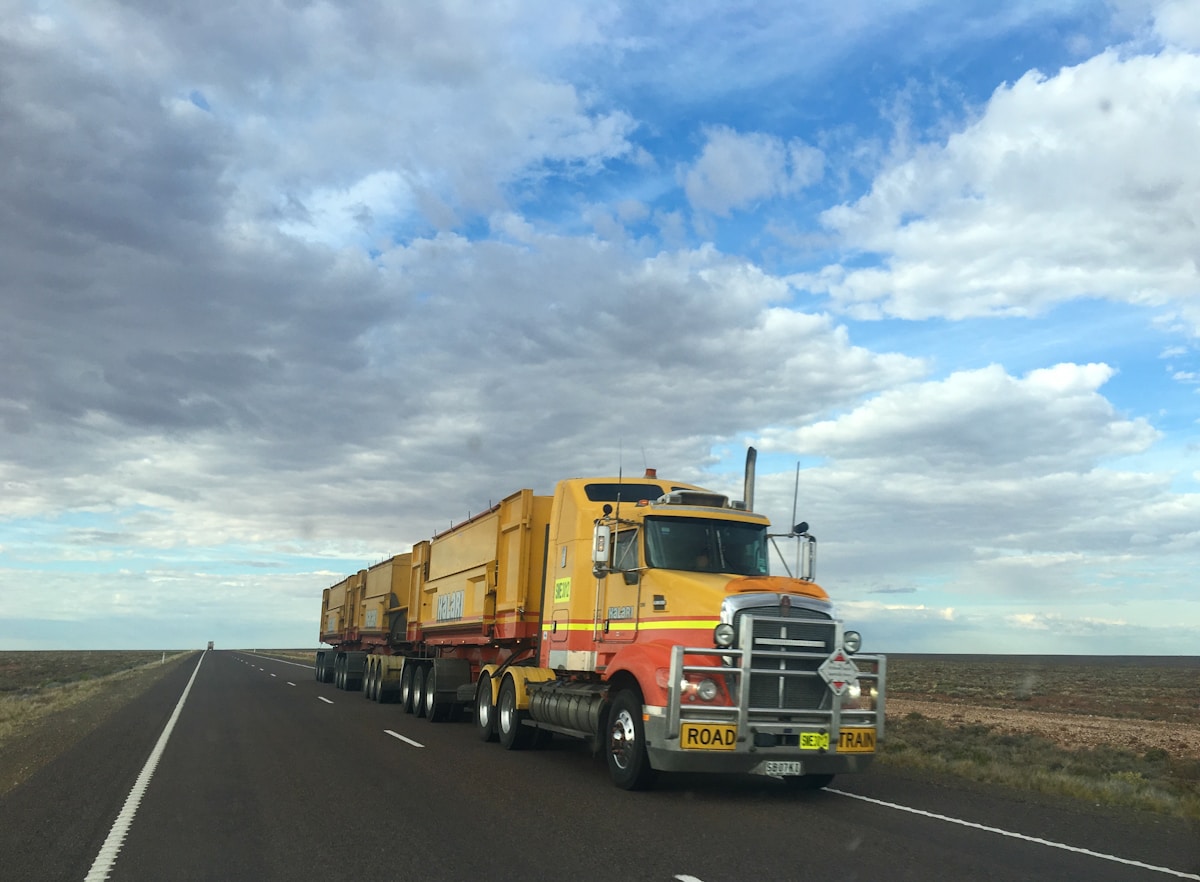
I-70 eastbound from Denver crosses the Kansas plains toward Kansas City, St. Louis, and the Midwest without any mountain routing variable. Carriers loading at Denver for Kansas City, Omaha, and Midwest destinations use I-70 eastbound across flat terrain. Carrier frequency on this corridor is consistent year-round, and transit time from Denver to Kansas City averages 1 to 2 days. Standard lead times from the Denver hub average 4 to 6 days for Midwest destinations.
I-70 West
Rocky Mountain Corridor
Eisenhower Tunnel, Vail Pass, Glenwood Canyon
I-70 westbound from Denver travels through the Eisenhower Tunnel at 11,013 feet elevation and the mountain segments to Grand Junction and the Utah border. This corridor includes the Eisenhower Tunnel, Vail Pass, and Glenwood Canyon, each with independent closure protocols during severe winter weather events from October through April. Chain law enforcement adds 2 to 4 hours to carrier transit. Standard closure events lasting 2 to 12 hours hold carrier traffic until CDOT opens the corridor. Extended closures require rerouting via US-24 or US-40 alternatives.

I-25 North & South
Front Range Corridor
Wyoming (North) — New Mexico / Texas (South)
I-25 runs along the base of the Front Range rather than through the mountains. The northbound corridor from Denver connects to Fort Collins, Cheyenne, and Wyoming with no mountain routing variable. The southbound corridor from Denver passes through Colorado Springs and Pueblo to the New Mexico border and the El Paso connection, also without mountain conditions. Carrier frequency on both directions is consistent year-round.
Seasonal Conditions and Transport Timing in Colorado
October to April — I-70 Mountain Corridor Conditions
The Eisenhower Tunnel and I-70 mountain segments are subject to chain law enforcement and closures from October through April. Chain law adds 2–4 hours to carrier transit. Standard closures last 2–12 hours, with extended storms causing 24–48 hour shutdowns. ⚠ 1–3 Day Scheduling Buffer Required
October to April — Ski Resort Transport Demand
Summit, Eagle, and Pitkin counties generate seasonal transport demand from ski resort communities. Mountain delivery requires carrier approach verification due to grade and access constraints in resort areas.
June to August — Summer Relocation Peak
June through August is Colorado’s summer relocation season driven by Denver-based corporate and energy sector moves. Standard lead times average 4–7 days across all four corridor directions.
May and September — Off-Peak Window
May and September represent Colorado’s optimal scheduling windows with minimal I-70 disruption and peak carrier availability. Standard lead times average 3–5 days across the Denver hub.

Carrier Coordination and Dispatch Operations in Colorado
I-70 Closure Scheduling and Alternate Routing
Colorado dispatch operations rely on CDOT monitoring for real-time I-70 mountain corridor closure status between Denver and Grand Junction. When closures occur, carrier dispatch holds westbound loads at the Denver hub until clearance is confirmed. If closures exceed operational windows, logistics operations evaluate alternate routing through US-24 (south through Woodland Park and Buena Vista) or US-40 (north through Kremmling) depending on vehicle type and carrier equipment availability.
The October through April scheduling buffer ensures that these hold and reroute decisions do not affect booking confirmation timelines, even during extended storm systems affecting the Eisenhower Tunnel corridor.
Ski Resort Address Verification
Ski resort county deliveries in Summit, Eagle, and Pitkin counties require pre-dispatch address verification due to road grade, surface conditions, and private community access restrictions. Some resort neighborhoods and homeowner association roads have limitations that restrict multi-car hauler access based on incline, snow conditions, or road width.
This verification process is completed before carrier departure from the Denver hub, not at delivery time. It ensures route feasibility for mountain communities such as Breckenridge, Vail, and Aspen and reduces last-mile access failure risk during winter season operations.
Explore Other Vehicle Transport Service Options

Open Auto Transport
Open auto transport is the standard method from the Denver hub across the Front Range and eastern Colorado corridors. I-70 westbound routes from October through April are subject to mountain delays, chain law enforcement, and elevation-based weather disruptions during transit through the Eisenhower Tunnel corridor.

Enclosed Auto Transport
Enclosed transport provides weather protection during I-70 mountain corridor transit and eliminates exposure to snow, ice, and road treatment materials through high-altitude segments. It is the preferred method for winter-season transport of specialty or high-value vehicles across Colorado’s mountain routes.
Expedited Auto Transport
Expedited transport provides priority dispatch from the Denver hub for time-sensitive Colorado moves across all four corridor directions. ⚠ It cannot override active I-70 closures, as carriers cannot transit closed mountain segments regardless of scheduling priority.
Door-to-Door Auto Transport
Door-to-door transport across Colorado requires mountain resort address verification before booking confirmation. Summit County, Eagle County, and Pitkin County locations must include full community and private road details because GPS routing often leads to unpaved or seasonal roads inaccessible to multi-car haulers.
Colorado Preparation and Transport Considerations
Carrier Compliance in Colorado
Colorado has no CARB equivalent for carrier operations. Air Care Colorado vehicle emissions testing applies to vehicle owners registering vehicles in specific Colorado counties and is a vehicle owner DMV requirement, not a carrier operational requirement. Carriers operating in Colorado are subject to the federal FMCSA baseline only. Full carrier authority verification sits inside compliance and carrier verification standards.
Vehicle Preparation for Colorado Transport
Standard vehicle preparation applies: quarter-tank fuel level, personal items removed, alarm and anti-theft deactivated, and condition photos taken before pickup. Two Colorado-specific additions apply. Vehicles with carbureted engines being transported from sea-level origins to Colorado mountain resort destinations at 8,000 to 9,000 feet should have engine type noted in the pre-transport record. Modern fuel-injected vehicles auto-calibrate without preparation. GPS-based directions to mountain resort addresses frequently route to unpaved or closed seasonal roads, so the exact resort address including community name and nearest established road name must be communicated at booking. Full logistics execution sits inside the logistics process.
Logistics Process →Colorado Delivery Documentation
Bill of lading, delivery inspection, and Colorado DMV title transfer requirements apply at delivery. Colorado has no VIN inspection requirement beyond standard title transfer and no smog check requirement for transport purposes. Documentation protocols and delivery verification standards sit inside compliance and carrier verification for post-delivery registration.
Compliance →Planning Colorado Auto Transport
I-70 westbound mountain moves from October through April require a 1 to 3 day scheduling buffer for I-70 closure conditions, with standard lead times of 5 to 8 days from the Denver hub for western Colorado and Utah-bound moves. I-25 corridor moves north to Wyoming or south to New Mexico and Texas have no mountain routing variable and follow standard 3 to 5 day lead times year-round.
Ski resort county deliveries in Summit, Eagle, and Pitkin counties add 1 to 2 days beyond standard Front Range lead times for carrier approach road verification. Summer relocation from June through August follows standard 4 to 7 day lead times from the Denver hub. May and September off-peak windows offer standard 3 to 5 day lead times and represent Colorado's optimal scheduling windows with minimal pass disruption and below-peak demand. I-70 eastbound Midwest moves have no mountain variable and average 4 to 6 days to Kansas City and 6 to 8 days to Chicago.
Key Notes
Cost variables specific to Colorado transport, including the I-70 closure buffer differential and ski resort address verification considerations, sit inside pricing . I-70 closure coordination during the October through April window is managed through logistics operations to match booking windows with corridor clearance status before confirmation.
Request Colorado Auto Transport
Colorado Auto Transport
A Colorado auto transport quote requires vehicle year, make, model, and type; origin city or destination city; destination state and city; preferred pickup window including any I-70 westbound pass condition preference during October through April; operability status; enclosed transport preference if applicable; and for ski resort addresses, the full address including resort name, community name, and private road name. Brightway coordinates carrier assignment from the Denver hub and confirms I-70 corridor clearance status before booking is finalized for westbound mountain moves. Submit the vehicle details on the get a quote form to start the booking review.
Denver Dispatch Coordination
Mountain Routing Management
Carrier Verification
Brightway also coordinates transport to and from Texas and Arizona across the same carrier network.