
Georgia Auto Transport
Georgia auto transport operates through a structured Southeast logistics network built around 2 primary hubs (Atlanta and Savannah), a major maritime gateway at the Port of Savannah, and three dominant corridors including I-75, I-85, and I-16. Demand is strongly influenced by the Military PCS cycle (May–Aug), driven by relocations tied to Fort Moore, Fort Stewart, and Hunter Army Airfield. Micro-level carrier flow between Atlanta’s inland dispatch hub and Savannah’s port logistics node defines state movement, while macro-level routing connects Georgia into the broader Southeast auto transport network spanning Florida, the Carolinas, and the Midwest. This page explains how Georgia’s hub structure, military demand cycles, port logistics, and corridor routing shape vehicle transport timing and carrier availability.
Georgia Route Network
Live CoverageAtlanta
Savannah
Georgia Auto Transport
Georgia auto transport operates from two carrier concentration zones positioned at critical southeastern corridor intersections. Atlanta functions as the Southeast's primary carrier dispatch network at the intersection of I-75 and I-85, generating daily carrier departure capacity north to Tennessee and the Midwest, south to Florida, northeast to the Carolinas and New York, and southwest to Alabama. Savannah operates as the port-linked logistics hub connecting Georgia's carrier network to the Port of Savannah's vehicle import and export cycles. Three interstate corridors structure Georgia's transport volume: I-75 connecting Atlanta to Florida southbound and Tennessee and the Midwest northbound, I-85 connecting Atlanta to Alabama westbound and South Carolina and the Northeast northeastbound, and I-16 connecting Atlanta to Savannah eastbound. A primary summer relocation peak from May through August is driven by military PCS moves from Fort Moore, Fort Stewart, and Hunter Army Airfield.
Georgia auto transport's two-hub structure operates within the broader auto transport by state network and sits beneath vehicle transportation services alongside core commercial offerings in auto transport services and car shipping . Atlanta's position at the I-75 and I-85 interchange creates four-directional carrier flow that makes Georgia's network one of the most stable year-round dispatch environments in the southeastern carrier network.
Georgia Network Snapshot
Georgia Auto Transport Network Profile
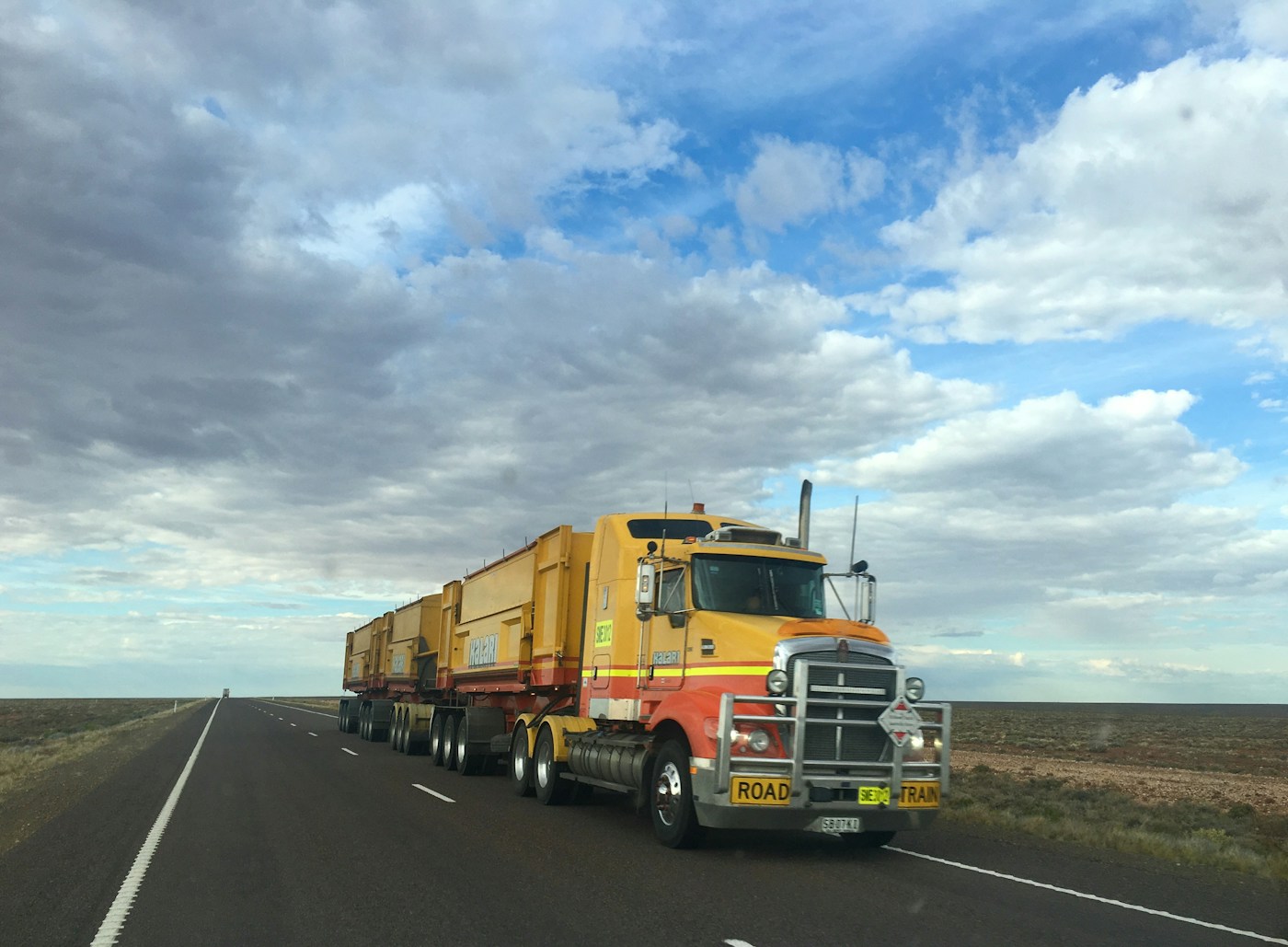
Atlanta Hub
I-75 × I-85 Carrier Network
Atlanta and the Four-Directional Carrier Concentration Zone
Atlanta operates as the carrier concentration zone at the intersection of I-75 and I-85. This position generates four-directional daily carrier departure capacity: south toward Florida via I-75, north toward Tennessee and the Midwest via I-75, northeast toward the Carolinas and New York via I-85 and the I-95 connection, and southwest toward Alabama and the Gulf Coast via I-85 westbound. Four-directional carrier availability means Atlanta maintains consistent dispatch capacity across all four directions throughout the year without the single-direction capacity compression that single-corridor hubs experience during seasonal peaks. Carrier load building happens simultaneously in four directions, which prevents availability gaps during demand cycles. Atlanta auto transport operates year-round with daily carrier departures on all four corridors.
Savannah and the Port-Linked Carrier Concentration Zone
Savannah operates as the port-linked carrier concentration zone serving coastal Georgia, southeast Georgia, and the I-16 corridor to Atlanta. The hub's primary operational distinction is its connection to the Port of Savannah vehicle import processing facilities. Carrier dispatch from Savannah serves the coastal corridor along I-95 and the inland corridor along I-16 toward Atlanta. Savannah maintains consistent year-round demand from port logistics cycles and coastal Georgia residential moves.

Savannah Hub
Port-Linked Logistics Zone

Port of Savannah
Import + Carrier Flow Node
Port of Savannah — Georgia's Port Logistics Node
The Port of Savannah processes vehicle import shipments from international manufacturers. The inland delivery of these vehicles to Atlanta, Charlotte, and the Midwest generates carrier dispatch demand that originates at the Savannah hub. When vehicle import shipments arrive at the port, carriers delivering those vehicles inland complete their port delivery and become available for outbound Georgia pickups before returning to their origin dispatch zone. These post-port availability windows create carrier access for standard Savannah and coastal Georgia bookings at specific intervals aligned with port arrival schedules.
Georgia Auto Transport Corridors
Georgia's corridor structure is defined by three interstate corridors and one transit corridor role that connects Florida and the Northeast via the I-95 southeastern seaboard route.

I-75 Corridor
Florida and the Midwest
Florida and the Midwest Transit Flow
The I-75 corridor through Atlanta connects Florida origins to Midwest destinations, making Georgia a transit state for vehicles moving between Miami, Orlando, Tampa, and cities including Cincinnati, Detroit, and Chicago. Carriers moving between Florida and the Midwest pass through Atlanta on I-75, creating Georgia pickup opportunities on both northbound and southbound loads simultaneously. Carrier frequency on this corridor is consistent year-round, and transit time from Atlanta to Florida averages 1 to 2 days southbound and 2 to 3 days northbound to the Midwest.

I-85 Corridor
Northeast and Southeast
Atlanta to Northeast and Southeast Flow
The I-85 corridor connects Atlanta to the Northeast via Charlotte, Washington DC, and the I-95 connection to New York, and to Alabama and the Gulf Coast via the southwestern segment. Carrier frequency is consistent year-round on both directions. Transit time from Atlanta to Charlotte averages 1 day, and from Atlanta to New York via the I-85 and I-95 connection averages 3 to 4 days.
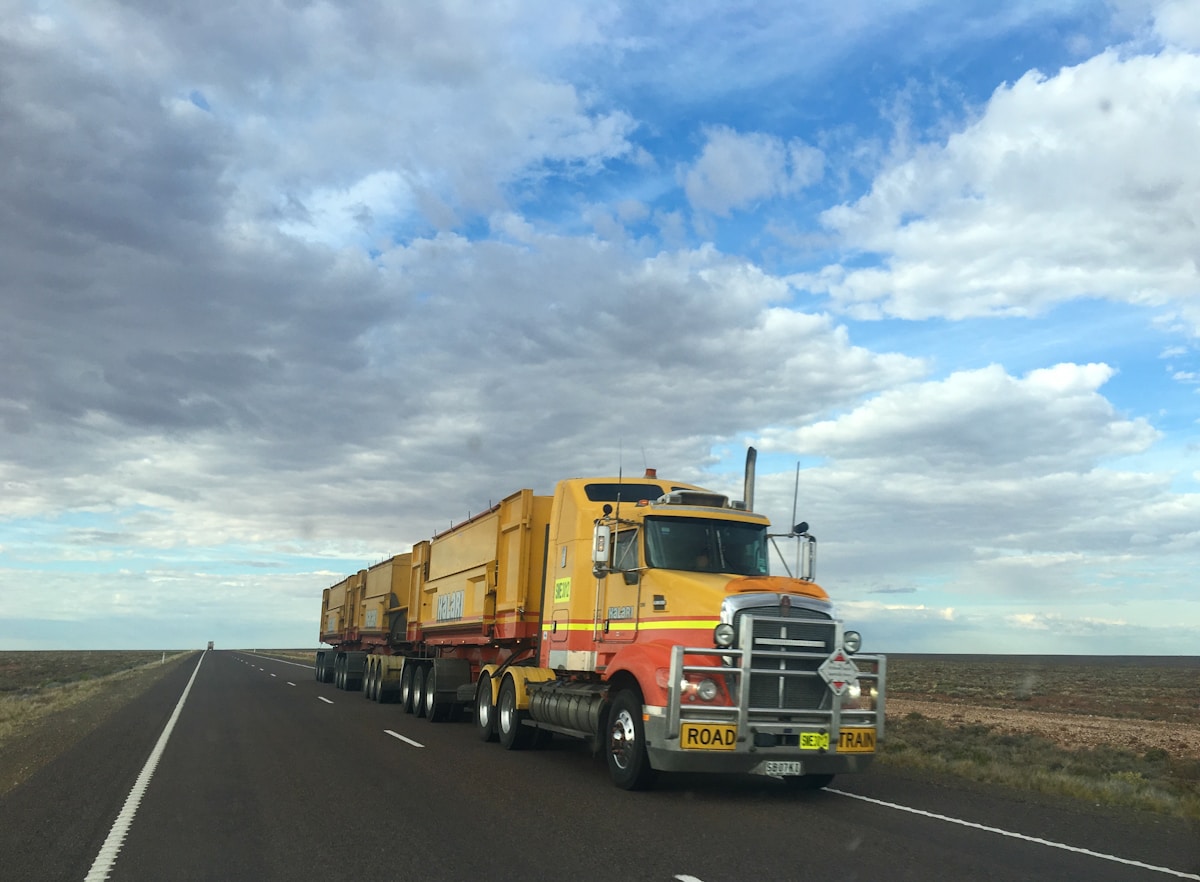
I-16 Corridor
Atlanta to Savannah
Inland to Port Logistics Connection
The I-16 corridor is the 170-mile operational link between the inland Atlanta dispatch network and the port logistics hub in Savannah. Vehicles being delivered from the Port of Savannah to Atlanta and beyond travel this corridor. Carrier frequency on I-16 is consistent year-round and driven by port logistics cycles. Transit time from Savannah to Atlanta averages 3 to 4 hours.

I-95 Corridor Role
Florida to New York Transit
Southeastern Transit Network Flow
The I-95 northeastern seaboard corridor runs along Georgia's eastern coast between Florida and the Carolinas. Carriers moving between Florida and the Northeast transit Georgia via I-95, creating pickup and delivery opportunities in coastal Georgia including Brunswick and Savannah. Florida to New York auto transport transits Georgia along this corridor, and the transit carrier flow creates additional Georgia carrier availability during both northbound and southbound peak demand windows.
Florida to New York auto transport →Seasonal Demand and Transport Timing in Georgia

May to August — Military PCS Season and Summer Relocation Peak
May through August is Georgia's highest-demand transport period. The three active military installations at Fort Moore, Fort Stewart, and Hunter Army Airfield generate structured PCS relocation demand that peaks during the permanent change of station season. Lead times from the Atlanta hub extend to 7 to 10 days during this window as military and standard relocation demand combine. Military PCS moves have specific timing requirements driven by orders, meaning vehicles must be available for pickup within the orders window.
September to April — Year-Round Baseline Carrier Availability
Atlanta's four-directional carrier flow maintains consistent carrier availability across all four directions during this period. Standard lead times average 3 to 5 days from the Atlanta hub. The Port of Savannah generates year-round baseline demand in the Savannah hub regardless of season, providing consistent outbound carrier availability for vehicles shipping from the Savannah metro area.
Carrier Coordination and Dispatch Operations in Georgia
Atlanta Four-Directional Dispatch Stability
Atlanta generates carrier demand in four directions simultaneously, and carrier load building at the Atlanta hub proceeds without the single-direction compression that causes availability gaps at single-corridor hubs during peak season. During the May through August military PCS peak, Atlanta's carrier dispatch absorbs the additional demand across all four corridors without the lead time extensions that a single-direction hub would experience with the same demand increase.
Coordination during this window focuses on PCS order timing alignment to ensure carrier pickup windows match the service member's orders timeline. Dispatch execution during the military PCS peak is managed through logistics operations to coordinate carrier assignments with PCS order windows before booking confirmation.
Savannah Port Carrier Availability Cycles
When vehicle import shipments arrive at the Port of Savannah, carriers delivering those vehicles inland to Atlanta, Charlotte, and the Midwest complete their port delivery and become available for outbound Georgia pickups before returning to their origin dispatch zone.
These post-port availability windows create carrier access for standard Savannah and coastal Georgia bookings at specific intervals aligned with port arrival schedules.
Explore Other Vehicle Transport Service Options
All four transport methods are available across both Georgia hubs, and method selection is determined by vehicle type and value. Military PCS moves may have specific carrier requirements determined by the service member's orders or branch of service guidelines, and vehicle types shipped affect carrier selection for both military and standard Georgia transport.

Open Auto Transport
Open auto transport is available statewide across both Georgia hubs and is the standard method for the majority of Georgia transport including military PCS moves for standard vehicles. Carrier availability is consistent year-round across all four Atlanta corridors.
Enclosed Auto Transport
Enclosed auto transport is available statewide with higher demand out of the Atlanta hub for luxury vehicles from the North Georgia metro and Buckhead area. Military personnel transporting classic or high-value personal vehicles on PCS orders may prefer enclosed transport regardless of whether it is covered under their orders.
Expedited Auto Transport
Expedited auto transport provides priority carrier assignment across both Georgia hubs and is particularly relevant for military PCS moves where orders may allow only a narrow pickup window. Priority assignment narrows the standard booking lead time by moving the vehicle to the front of the dispatch sequence.
Door-to-Door Auto Transport
Door-to-door auto transport coordinates direct address delivery with one Georgia-specific consideration. Military installation deliveries at Fort Moore, Fort Stewart, and Hunter Army Airfield require gate access coordination because the carrier must be registered for installation access or the vehicle must be picked up at the installation gate. This is addressed through the carrier coordination process at booking.
Georgia Preparation and Transport Considerations
Carrier Compliance in Georgia
Georgia has no CARB equivalent. All FMCSA-compliant carriers operate within Georgia without state-level emissions verification. Military installation delivery requires that the carrier hold a valid MC authority and active insurance, which is covered by standard FMCSA compliance at all three Georgia installations. Full carrier authority verification sits inside compliance and carrier verification standards.
Vehicle Preparation for Georgia Transport
Standard vehicle preparation applies: quarter-tank fuel level, personal items removed, alarm and anti-theft deactivated, and condition photos taken before pickup. Military PCS addition: service members transporting vehicles under PCS orders should retain a copy of their orders and the vehicle's title in their possession during transport. These documents may be required for gate access coordination at the destination installation. The carrier does not hold these documents. The full vehicle pickup procedures framework sits inside the logistics process for vehicle transport.
Logistics Process →Georgia Delivery Documentation
Bill of lading, delivery inspection, and Georgia DMV title requirements apply at delivery for vehicles being newly registered in Georgia. Georgia has no smog check equivalent and no VIN inspection requirement beyond standard title transfer. Full delivery documentation protocols sit inside compliance and carrier verification for post-delivery steps.
Compliance →Planning Georgia Auto Transport
Shipping during military PCS season from May through August requires booking 7 to 10 days ahead from the Atlanta hub because military and standard relocation demand combine during this window. If PCS orders specify a pickup date window, communicate that window at booking because carrier assignment is coordinated to match orders timelines through the dispatch process.
Shipping from September through April baseline window follows standard 3 to 5 day lead times from Atlanta across all four directions. Shipping from Savannah follows 5 to 7 day lead times depending on the port carrier availability cycle. Port of Savannah arrival windows create specific periods of higher outbound carrier availability from the Savannah hub, and these windows are coordinated through logistics operations for capacity planning.
Military installation delivery requires communicating the installation name, unit address, and gate access requirements at booking rather than on pickup day. Cost variables sit inside pricing and cost factors .
Request Georgia Auto Transport
Georgia Auto Transport
A Georgia auto transport quote requires vehicle year, make, model, and type; origin city or destination city; destination state and city; preferred pickup window noting any PCS orders window constraints; operability status; enclosed transport preference if applicable; and for military installation deliveries, the installation name and unit address for gate access coordination. Brightway coordinates carrier assignment from the correct Georgia hub for the pickup location and confirms dispatch timing before booking is finalized. Submit the vehicle details on the get a quote form to start the booking review.
Brightway also coordinates transport to and from Florida (/states/florida/) and Texas (/states/texas/) across the same carrier network.
Get Your Transport Quote
Four-Directional Carrier Network
Military PCS Coordination
Port Logistics Integration
Southeast Dispatch Coverage